
-
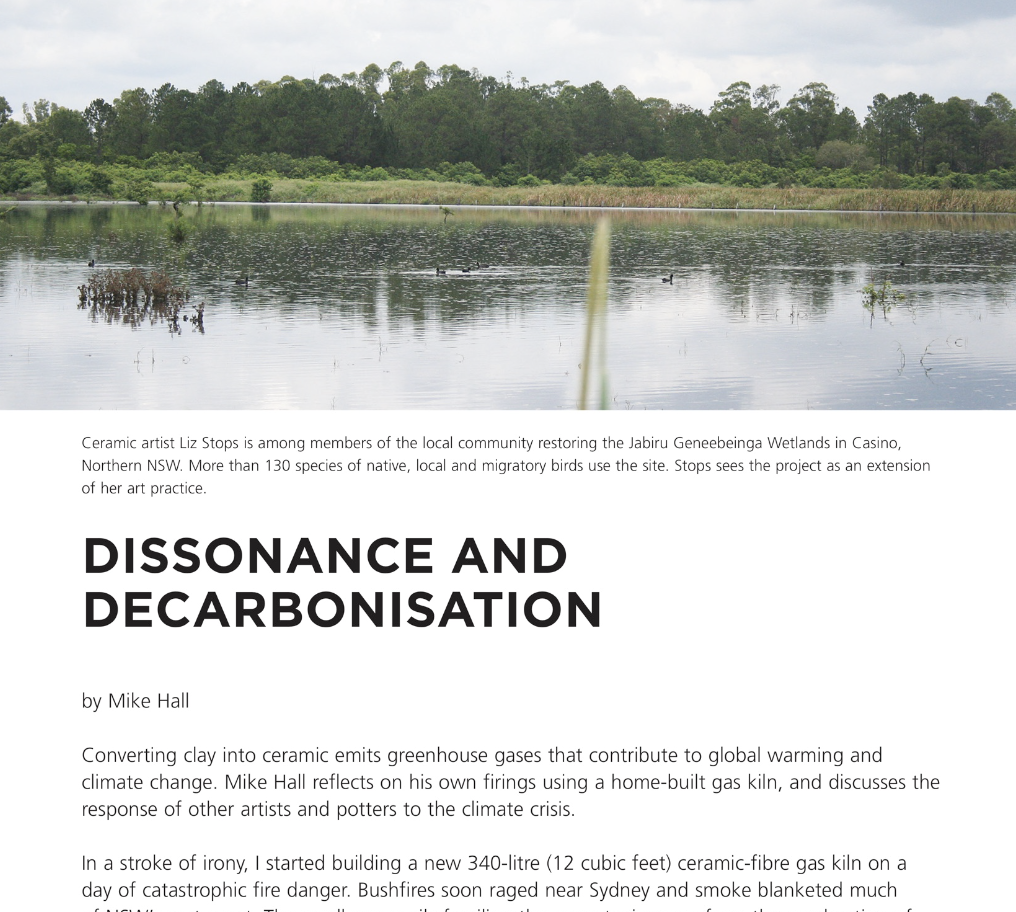
The Journal of Australian Ceramics, April 2020
I began firing my own work in early 2018 in a home-built kiln - a steel drum with a capacity of 90 litres lined with ceramic fibre - to test local clays and fire with propane. With a kiln this size, deciding what to fire can be a struggle. So I've taken Zen-like pleasure dropping work back into a bucket of slip. But before I built a new kiln, I wanted to better understand my carbon footprint and the perspectives of other ceramicists.
-
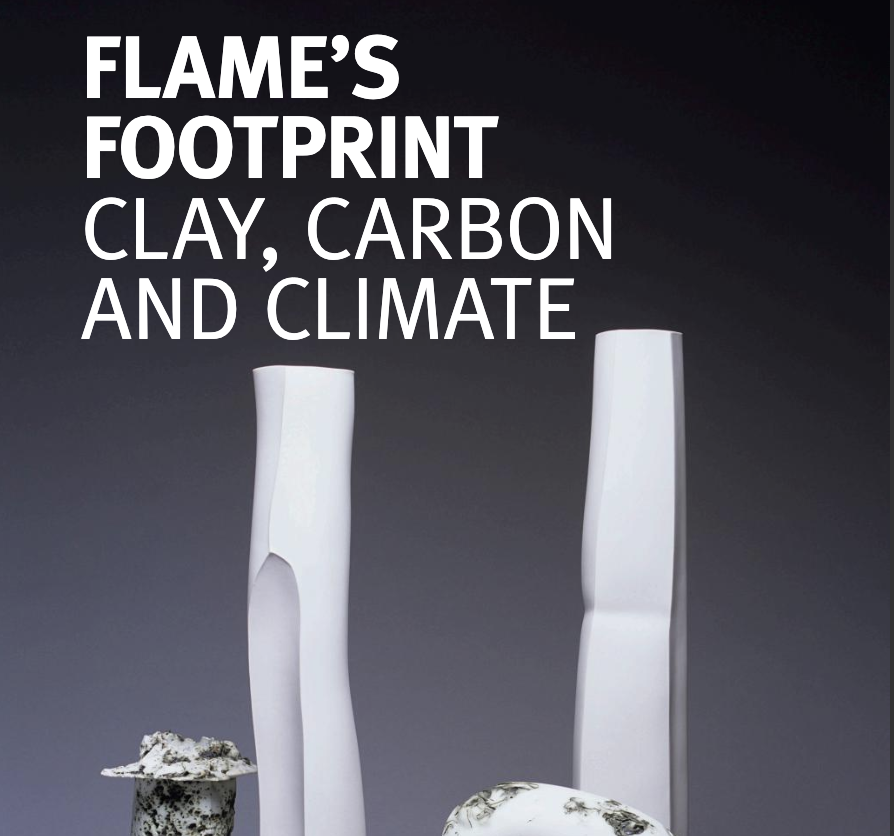
The Journal of Australian Ceramics, July 2017
Ceramic production is energy-intensive. Fuel to heat kilns emits carbon dioxide (CO2 , a greenhouse gas that causes global warming) so does the decarbonisation of clay and materials during firing, the mining, processing and transportation of raw materials and finished goods, and the use of other materials. This article examines the climate impact of ceramics and what industry and potters are doing about it.
-
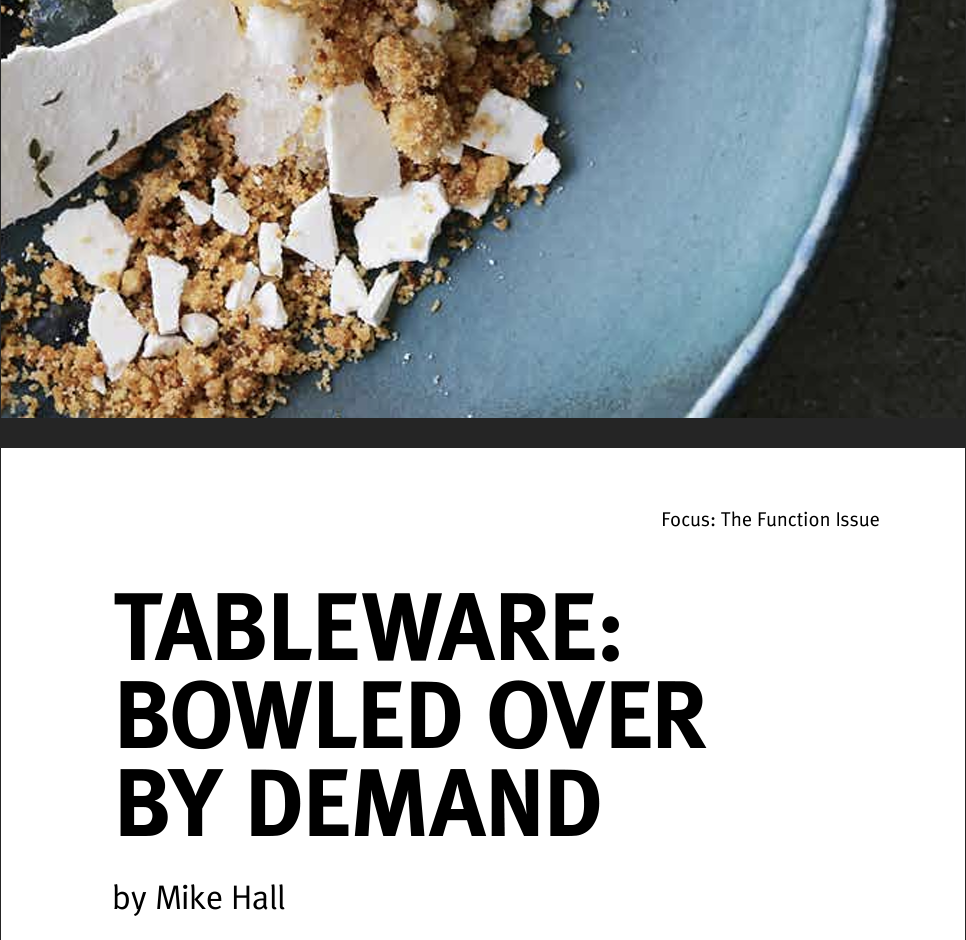
The Journal of Australian Ceramics, November 2017
More than a decade ago, at a time when functional work by studio potters had been all but eclipsed by cheap imports, Australian chefs embraced a new movement that emphasised locally-sourced, farm-to-table, artisanal, organic, slow food. Industrially-made white porcelain, the ubiquitous blank canvas preferred at the time, fell out of favour and demand for local, artisan-made ceramics took off.